The Handoff Test: What Global Private Aviation Should Manage Between Flights
The most sophisticated private aviation service is not defined by the aircraft alone. It is defined by how quietly every handoff—from request to arrival, crew to crew, aircraft to aircraft, and owner to operator—is managed.
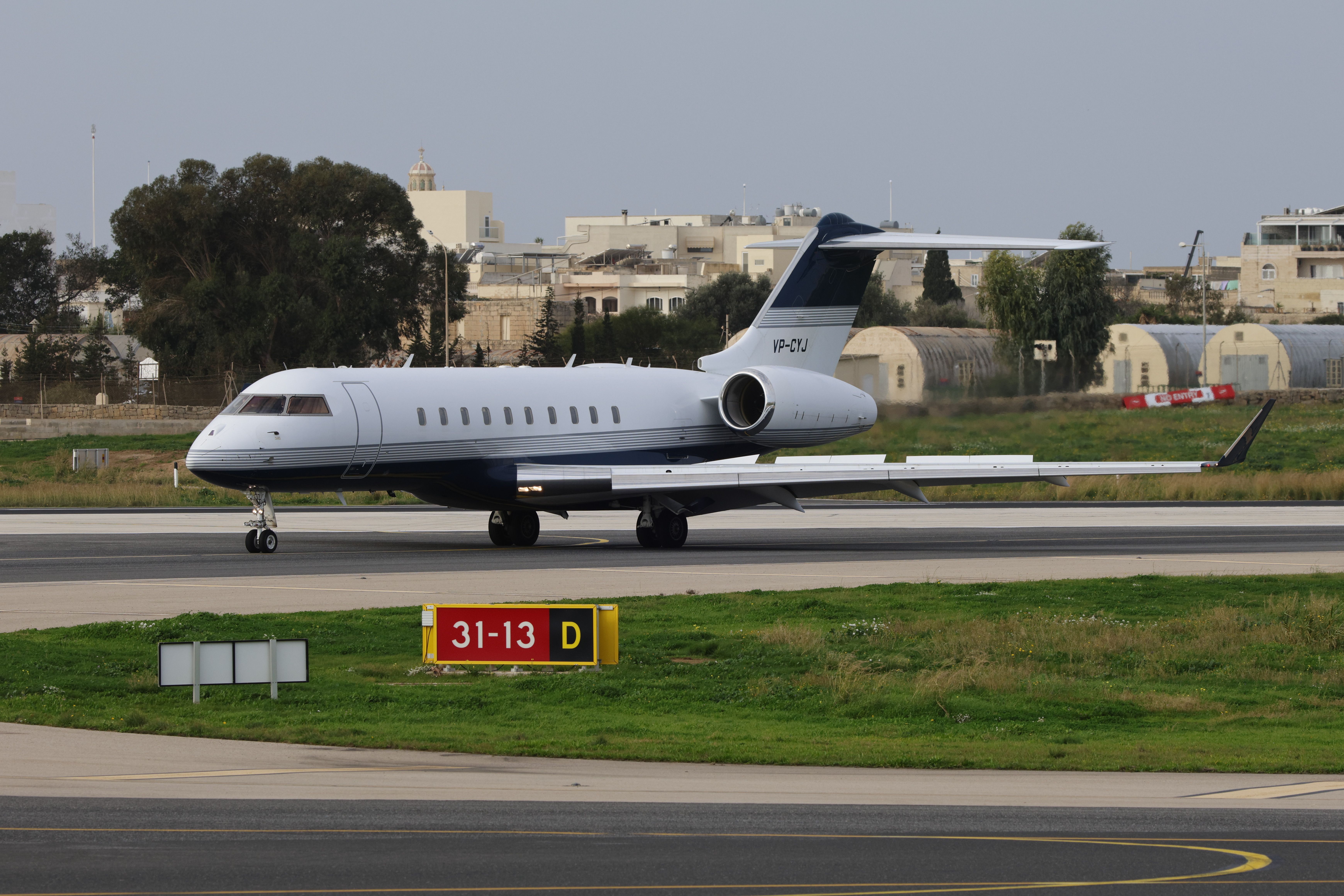
Private aviation is often described through visible assets: the aircraft, the cabin, the range, the airport, or the speed of departure. Yet for an owner or principal whose life moves across several continents, the aircraft is only one part of the experience. The greater test is what happens around it.
A truly sophisticated private aviation model is measured by the quality of its handoffs: between a travel request and an operating plan, between one crew and the next, between scheduled maintenance and continuity of service, and between the passenger's preferences and the people responsible for delivering them. This is where private aviation becomes more than transport. It becomes managed mobility.
The aircraft is the beginning, not the system
The market offers several established ways to access private aircraft, including fractional ownership, leasing, jet cards, membership programmes, and on-demand charter. Each model answers a different question about commitment, predictability, and usage. NetJets, for example, presents fractional ownership, leasing, and jet-card access as distinct pathways for clients with different annual flying patterns and preferences.
The important distinction is that access alone does not create a seamless experience. A programme may provide a booking channel, but the client still depends on a much wider operating chain: aircraft positioning, crew scheduling, maintenance planning, regulatory compliance, ground arrangements, catering, security, and communication. The more international the journey, the more consequential these connections become.
For this reason, the relevant question is not simply, "Which aircraft can be made available?" It is, "How much operational friction remains for the client after the aircraft has been selected?"
Four handoffs that define the premium experience
1. From intention to itinerary
A high-value journey rarely begins with a complete flight brief. It begins with an intention: a sequence of meetings, a family movement, an event, a medical or security requirement, or a changeable personal schedule. The role of an aviation manager is to translate that intention into an executable itinerary without forcing the client to become an aviation specialist.
This requires more than a departure time. It requires attention to airport suitability, aircraft category, passenger profile, baggage, onward ground transport, local regulations, and the possibility that the itinerary may change. A well-designed service absorbs complexity before it reaches the client.
2. From aircraft to operating team
A private aircraft is not an isolated luxury object. Its performance depends on people, procedures, and operational discipline. VistaJet states that its safety approach is built around rigorous standards and benchmarks established by aviation safety organisations. VistaJet's membership proposition also emphasises worldwide flying, guaranteed availability, and transparent booking structures.
These promises point to a broader principle: consistency is created by the operating system behind the aircraft. The client should not need to rebuild trust every time the aircraft, route, or local team changes. The information that matters - preferences, service expectations, security considerations, and operational constraints - must move securely and accurately through the organisation.
3. From maintenance event to continuity
Maintenance is a normal part of responsible aviation, not an interruption to be hidden. The distinction between an ordinary provider and a mature operator is how the event is managed. A strong programme anticipates scheduled downtime, maintains a credible substitution strategy, and communicates decisions before they become urgent.
This is one reason large operators and management companies are evaluated not only by fleet size but also by their ability to coordinate crew hiring, scheduling, maintenance oversight, regulatory compliance, and charter activity. The 2025 North American operator overview from SherpaReport describes these functions as central to professional aircraft management.
For an owner, continuity means that the operating plan remains coherent even when the original aircraft is unavailable. For a family office, it means that travel does not become a new project every time a maintenance window appears. For a concierge, it means preserving the client relationship while the operational solution changes in the background.
4. From arrival to the next decision
The final handoff occurs after landing. A private aviation journey is rarely complete at the aircraft door. The passenger may be moving to a residence, a yacht, a hotel, a board meeting, an art fair, or another airport. The quality of the arrival determines whether the private flight has actually created time - or merely relocated the logistical burden.
The most effective service therefore treats the flight as one chapter in a wider mobility plan. Ground transfer, local access, luggage handling, security coordination, and the next departure should be considered in relation to one another. The objective is not to add visible layers of service. It is to remove unnecessary decisions.
Why scale matters - but does not replace judgment
Scale can provide meaningful advantages. A broad fleet may support more mission profiles; a larger operating platform may offer greater network reach; and an established management infrastructure may create purchasing, maintenance, training, and compliance efficiencies. SherpaReport's 2025 review notes that the largest operators include fractional providers, charter companies, and management organisations, illustrating that "private aviation" is not one single business model.
But scale alone is not a luxury proposition. The client experiences the quality of interpretation: whether the right aircraft is matched to the mission, whether the itinerary reflects the real purpose of the journey, and whether the service remains composed when conditions change. The best global mobility partner combines infrastructure with discretion.
This is particularly important for a platform positioned between aviation and concierge service. The value does not come from presenting the largest possible menu. It comes from narrowing the decision intelligently, explaining the trade-offs clearly, and taking responsibility for the result.
A more useful definition of private aviation management
Private aviation management should be understood as the stewardship of continuity. It is the discipline of keeping a complex travel experience safe, coherent, and efficient across changing aircraft, airports, crews, schedules, and jurisdictions.
For owners, that may mean a more considered approach to aircraft utilisation, maintenance planning, operational oversight, and long-term access. For travellers, it may mean membership or programme-based availability rather than the repeated search for a one-off charter. For families and executives, it may mean a single trusted interface capable of connecting aviation with the rest of a global itinerary.
The premium is therefore not simply measured in cabin materials or flight hours. It is measured in the decisions the client no longer has to make, the uncertainties that are addressed before they become visible, and the confidence that the next handoff has already been prepared.
The VERTU perspective
At VERTU, global mobility is approached as a matter of intelligent coordination. Global Top Private Jet Operation and Management is conceived as a private aviation management layer for clients who value seamless, safe, and efficient air travel ownership - without confusing luxury with excess or access with management.
The right aviation relationship begins with a precise understanding of the client's movement: how often they fly, where they need to be, how their schedule changes, who travels with them, and what must remain private. From there, the service should create a clear operating path, align the relevant specialists, and preserve continuity across every stage of the journey.
The aircraft may be the most visible part of private aviation. The handoff is where its true value is revealed.